
Index funds, explained without the jargon
What an index fund is, why low costs matter so much, and the few questions to ask before you buy one.
Marcus Bell2 min read
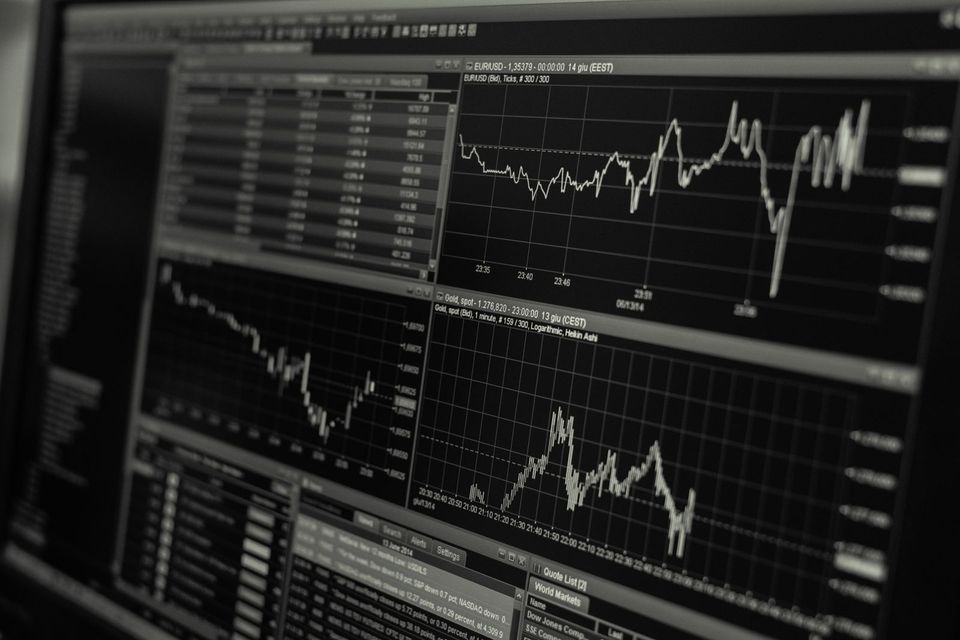
What is an index?
An index is a list of companies chosen by a rule, along with a way of weighting them. The S&P 500, for example, tracks around 500 large US companies, weighted by their market value. An index is just a measurement — like a thermometer for a slice of the market.
What is an index fund?
An index fund buys everything in the index in the same proportions, so its returns follow the index (minus fees). There is no manager trying to pick winners. That sounds boring, and it is, which is the point.
Why costs matter so much
Over the long run, most actively managed funds fail to beat their index after fees. Index funds win largely by being cheap. A difference of 1% per year in fees sounds small; over 30 years it can consume roughly a quarter of your final balance.
“In investing, you get what you don’t pay for.”
Questions to ask before buying
- What index does it track? A global index spreads your money across thousands of companies in dozens of countries.
- What is the ongoing charge? For broad index funds, look for well under 0.3% per year.
- Accumulating or distributing? Accumulating funds reinvest dividends automatically.
- What will the platform charge? Account fees can cost more than the fund itself.
The hard part is behaviour
Index investing is simple, not easy. The hardest part is doing nothing when markets fall 20%. Decide in advance how much you will invest each month, automate it, and check in once a year.
Keep reading

Compound interest, visualised
Why starting ten years earlier can matter more than investing twice as much — illustrated with simple numbers.
Marcus Bell2 min read